Japanese Comfort Cooking

An Opinionated Guide to Modern, Homey, Classic Japanese Recipes

Ebook (EPUB)
$14.99 US
Clarkson Potter/Ten Speed | Ten Speed Press
On sale Jun 09, 2026 | 9780593837023
Sales rights: World

See Additional Formats
Join the bestselling authors of Japanese Soul Cooking for a fun, passionate dive into modern Japanese comfort cooking, with over 100 achievable recipes.

These authentic Japanese recipes are fast enough for easy weeknight meals, elegant enough for special weekend dinners. And the best part? They’re dishes anyone can knock out.

Think soul-satisfying miso soup, toothsome soba noodles, broiled fish three ways, and vegetables steeped in fragrant umami seasonings. And also Japanese-style sandwiches, beautiful salads, miso flat iron steak, wagyu burgers, and the best fried chicken on planet Earth (promise).

In Japanese Comfort Cooking, celebrated chef Tadashi Ono and James Beard Award–nominated food writer Harris Salat show you why traditional miso, soy sauce, and sake producers are your BFFs in the kitchen (spoiler alert: they do the flavor heavy-lifting, making cooking fast); how to create healthy meals the Japanese way; and how to ace the “refrigerator test”— conjuring a quick, tasty Japanese dish with whatever’s on hand. They also include 100 recipes and helpful advice for:
  • All-purpose miso soups like Chilled Heirloom Tomato and Silken Tofu Miso Soup—plus a guide on how to make dozens more magical miso combinations. 
  • Nutritious weeknight meals that come together in under 30 minutes, like Next-Level Karaage and Sauteed Bronzini with Yuzu Brown Butter
  • Classic and modern twists on Japanese sandwiches like Pork Katsu, Tori Nanban, and Wagyu for on-the-go lunches and picnics.

With surprising stories behind the dishes, plus tips, accessible recipes, and step-by-step photographic guides, Japanese Comfort Cooking shows you how this cuisine can be both quick and easy to cook, and so deeply satisfying.
Introduction

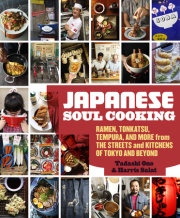
Fifteen years ago we wrote a book called Japanese Soul Cooking, which told the stories of Japanese dishes that originated in the last decades of the nineteenth century, soon after the Emperor sank his molars into a hearty hunk of beef—the first time the first son of the Rising Sun did that in a thousand years. (That bite was a big deal.) We helped home cooks across the world unlock a delicious and beloved culinary world.

We won accolades, praise, and spots on “best cookbook” lists. . . . But much more important, you—our dear readers—spread the love far and wide through word of mouth (and wonderful Amazon reviews) and people are still discovering the book today. For that, we are humbled and grateful.
In the more than a decade since publishing the book, the two of us did a bunch of stuff, including partnering in the hectic New York City restaurant business. But, hey, through it all, we’re still friends! Now we’re back to scratch an unrequited cooking itch, something we’ve been talking about for years, something we want, no, need to share with readers. We’re talking about Japanese comfort food.

What is Japanese comfort food? It’s a crazy quilt blend of traditional washoku classics and modern, inventive cooking. It’s miso soup, soba noodles, cured fish, and vegetables steeped in fragrant umami seasonings. It’s also Japanese-style sandwiches, salads, steak, wagyu burgers, gobo fries, roasted vegetables, and baked chicken. It’s cooking that doesn’t live under museum glass, never to be touched or altered. It’s both deeply of the culture and boldly influenced by American, Chinese, Korean, and European chow flashing on TikTok, Instagram, and Line (the Japanese super app). It’s the grub that gets pumped out of home kitchens and neighborhood joints alike, and what people in Japan actually eat every day. Listen up, people: Japanese comfort announces itself loud and proud!

And the best part?

This cooking is raku-raku, Japanese lingo for “easy peasy” or “piece of cake.” These are dishes anyone can knock out, totally accessible to cooks of all culinary stripes—with our help, of course. In the pages that follow, we’ll show you how, step by step, through straightforward recipes, instructional photos, and demystified ingredients. (Ingredients, by the way, that are a “buy now” button-click away from any cook, coast to coast.) And we’ll head to Japan to drill down to culinary bedrock and tell you the fascinating and surprising stories behind dishes, ingredients, techniques, and more.

You’re in good hands here. Tadashi is a storied Japanese chef who grew up with this chow in Tokyo’s version of the Boogie Down Bronx and originally landed in California to surf (he still surfs). His culinary Yellow Brick Road led from Japanese cooking to acclaimed French fine dining until, ultimately, he heard the siren call of his roots and helmed some of the hippest Japanese restaurants in New York. Harris is a journalist and cook who fell in love with this fare while traveling to Japan and writing about the food culture there; to get tactile with it, he interned in Tadashi’s restaurant kitchen and others in Tokyo and Kyoto. We met a couple of decades ago and kicked off a conversation about Japanese cooking—over too many beers and bottles of sake and many fantastic meals—that continues to this day.


How to Cook This Book

This book is an opinionated guide. We have a point of view. And the first particular point of our view is, this cooking is absolutely achievable. As you’ll see in the recipes, the cooking is simple, but it’s a simplicity that has to be learned (hat tip to author and journalist Bill Buford!).

Harris has something he likes to call “the refrigerator test.” Whenever he visits a home in Japan, his favorite part is watching everyday cooks magically conjure a sublime meal from whatever they find in the fridge—with the aid of key seasonings like dashi, soy sauce, mirin, sake, and miso. We want to help you summon this same wizardry. You’ll see our recipes include tons of options for alternative ingredients, flavors, and accents. We want you to try stuff, have fun, and get into the Japanese cooking groove.

A few things to keep in mind:

The Tadashi way is cooking with intention. His recipes are straightforward, but they humbly ask you to pay attention, taste, and practice. For some of you, this is a brand-new cuisine. Read the recipes top to bottom before you start. Prep ingredients before you cook. The more dishes you try, the more you’ll develop a feel for Japanese flavors and techniques, and how to use them. In Chinese, kung fu means a discipline you practice your whole life but never fully master. The Japanese word for that is dō. It’s a beautiful sensibility. Japanese cooking is a . Embrace it. Enjoy it. Our wish is that your Japanese culinary adventure evolves from following our recipes to understanding the principles they teach—and ultimately acing your own refrigerator test.

Tadashi likes to say that traditional food producers do most of the work in Japanese cuisine. What he means is that the process of fermenting soy sauce, mirin, sake, and miso unlocks so much glorious flavor, depth, and umami that you can create a delicious dish without too much cooking effort. That’s a huge difference from Western cuisine. In Japanese cooking you’re not braising something for hours to tease out flavor; the traditional seasonings do that heavy flavor lifting for you. So the cooking here is fast, and most of the dishes in this book qualify for your weeknight dinner rotation. We hope you add them to the lineup.

Taste your food as you cook. Oh, we said that already, but it bears repeating. Figure out what you like. This cooking is incredibly flexible. Not salty enough? Add a dab more soy sauce! Like it spicier? Tobanjan is your friend. Allergic to sesame? Sub sesame oil with avocado oil and omit the sesame seeds. (You’ll lose a layer of flavor, but there’s usually so much else going on that it’s fine.) No gluten? No problem. You can find terrific gluten-free soy sauce and noodles. Plant-based diet? Pull up a stool. We love veggies and include two chapters worth of fantastic all-vegetarian recipes.

Finally, let’s talk about sugar. You’ll see recipes where we add sugar to the dishes. If you’re not familiar with Japanese cuisine, this can seem odd. But rest easy. Japanese cooking is centered on balance rather than impact. What does that mean? Western cooking is about layering spice, fat, and heat to deliver a hardy flavor wallop. In Japanese cooking, you’re looking for harmony. That’s where sugar and the sweetness in mirin, which you’ll learn about shortly, come in. Their job is to level the savoriness of soy sauce and miso, so the natural flavors of the underlying ingredients shine through.

About

Join the bestselling authors of Japanese Soul Cooking for a fun, passionate dive into modern Japanese comfort cooking, with over 100 achievable recipes.

These authentic Japanese recipes are fast enough for easy weeknight meals, elegant enough for special weekend dinners. And the best part? They’re dishes anyone can knock out.

Think soul-satisfying miso soup, toothsome soba noodles, broiled fish three ways, and vegetables steeped in fragrant umami seasonings. And also Japanese-style sandwiches, beautiful salads, miso flat iron steak, wagyu burgers, and the best fried chicken on planet Earth (promise).

In Japanese Comfort Cooking, celebrated chef Tadashi Ono and James Beard Award–nominated food writer Harris Salat show you why traditional miso, soy sauce, and sake producers are your BFFs in the kitchen (spoiler alert: they do the flavor heavy-lifting, making cooking fast); how to create healthy meals the Japanese way; and how to ace the “refrigerator test”— conjuring a quick, tasty Japanese dish with whatever’s on hand. They also include 100 recipes and helpful advice for:
  • All-purpose miso soups like Chilled Heirloom Tomato and Silken Tofu Miso Soup—plus a guide on how to make dozens more magical miso combinations. 
  • Nutritious weeknight meals that come together in under 30 minutes, like Next-Level Karaage and Sauteed Bronzini with Yuzu Brown Butter
  • Classic and modern twists on Japanese sandwiches like Pork Katsu, Tori Nanban, and Wagyu for on-the-go lunches and picnics.

With surprising stories behind the dishes, plus tips, accessible recipes, and step-by-step photographic guides, Japanese Comfort Cooking shows you how this cuisine can be both quick and easy to cook, and so deeply satisfying.

Excerpt

Introduction

Fifteen years ago we wrote a book called Japanese Soul Cooking, which told the stories of Japanese dishes that originated in the last decades of the nineteenth century, soon after the Emperor sank his molars into a hearty hunk of beef—the first time the first son of the Rising Sun did that in a thousand years. (That bite was a big deal.) We helped home cooks across the world unlock a delicious and beloved culinary world.

We won accolades, praise, and spots on “best cookbook” lists. . . . But much more important, you—our dear readers—spread the love far and wide through word of mouth (and wonderful Amazon reviews) and people are still discovering the book today. For that, we are humbled and grateful.
In the more than a decade since publishing the book, the two of us did a bunch of stuff, including partnering in the hectic New York City restaurant business. But, hey, through it all, we’re still friends! Now we’re back to scratch an unrequited cooking itch, something we’ve been talking about for years, something we want, no, need to share with readers. We’re talking about Japanese comfort food.

What is Japanese comfort food? It’s a crazy quilt blend of traditional washoku classics and modern, inventive cooking. It’s miso soup, soba noodles, cured fish, and vegetables steeped in fragrant umami seasonings. It’s also Japanese-style sandwiches, salads, steak, wagyu burgers, gobo fries, roasted vegetables, and baked chicken. It’s cooking that doesn’t live under museum glass, never to be touched or altered. It’s both deeply of the culture and boldly influenced by American, Chinese, Korean, and European chow flashing on TikTok, Instagram, and Line (the Japanese super app). It’s the grub that gets pumped out of home kitchens and neighborhood joints alike, and what people in Japan actually eat every day. Listen up, people: Japanese comfort announces itself loud and proud!

And the best part?

This cooking is raku-raku, Japanese lingo for “easy peasy” or “piece of cake.” These are dishes anyone can knock out, totally accessible to cooks of all culinary stripes—with our help, of course. In the pages that follow, we’ll show you how, step by step, through straightforward recipes, instructional photos, and demystified ingredients. (Ingredients, by the way, that are a “buy now” button-click away from any cook, coast to coast.) And we’ll head to Japan to drill down to culinary bedrock and tell you the fascinating and surprising stories behind dishes, ingredients, techniques, and more.

You’re in good hands here. Tadashi is a storied Japanese chef who grew up with this chow in Tokyo’s version of the Boogie Down Bronx and originally landed in California to surf (he still surfs). His culinary Yellow Brick Road led from Japanese cooking to acclaimed French fine dining until, ultimately, he heard the siren call of his roots and helmed some of the hippest Japanese restaurants in New York. Harris is a journalist and cook who fell in love with this fare while traveling to Japan and writing about the food culture there; to get tactile with it, he interned in Tadashi’s restaurant kitchen and others in Tokyo and Kyoto. We met a couple of decades ago and kicked off a conversation about Japanese cooking—over too many beers and bottles of sake and many fantastic meals—that continues to this day.


How to Cook This Book

This book is an opinionated guide. We have a point of view. And the first particular point of our view is, this cooking is absolutely achievable. As you’ll see in the recipes, the cooking is simple, but it’s a simplicity that has to be learned (hat tip to author and journalist Bill Buford!).

Harris has something he likes to call “the refrigerator test.” Whenever he visits a home in Japan, his favorite part is watching everyday cooks magically conjure a sublime meal from whatever they find in the fridge—with the aid of key seasonings like dashi, soy sauce, mirin, sake, and miso. We want to help you summon this same wizardry. You’ll see our recipes include tons of options for alternative ingredients, flavors, and accents. We want you to try stuff, have fun, and get into the Japanese cooking groove.

A few things to keep in mind:

The Tadashi way is cooking with intention. His recipes are straightforward, but they humbly ask you to pay attention, taste, and practice. For some of you, this is a brand-new cuisine. Read the recipes top to bottom before you start. Prep ingredients before you cook. The more dishes you try, the more you’ll develop a feel for Japanese flavors and techniques, and how to use them. In Chinese, kung fu means a discipline you practice your whole life but never fully master. The Japanese word for that is dō. It’s a beautiful sensibility. Japanese cooking is a . Embrace it. Enjoy it. Our wish is that your Japanese culinary adventure evolves from following our recipes to understanding the principles they teach—and ultimately acing your own refrigerator test.

Tadashi likes to say that traditional food producers do most of the work in Japanese cuisine. What he means is that the process of fermenting soy sauce, mirin, sake, and miso unlocks so much glorious flavor, depth, and umami that you can create a delicious dish without too much cooking effort. That’s a huge difference from Western cuisine. In Japanese cooking you’re not braising something for hours to tease out flavor; the traditional seasonings do that heavy flavor lifting for you. So the cooking here is fast, and most of the dishes in this book qualify for your weeknight dinner rotation. We hope you add them to the lineup.

Taste your food as you cook. Oh, we said that already, but it bears repeating. Figure out what you like. This cooking is incredibly flexible. Not salty enough? Add a dab more soy sauce! Like it spicier? Tobanjan is your friend. Allergic to sesame? Sub sesame oil with avocado oil and omit the sesame seeds. (You’ll lose a layer of flavor, but there’s usually so much else going on that it’s fine.) No gluten? No problem. You can find terrific gluten-free soy sauce and noodles. Plant-based diet? Pull up a stool. We love veggies and include two chapters worth of fantastic all-vegetarian recipes.

Finally, let’s talk about sugar. You’ll see recipes where we add sugar to the dishes. If you’re not familiar with Japanese cuisine, this can seem odd. But rest easy. Japanese cooking is centered on balance rather than impact. What does that mean? Western cooking is about layering spice, fat, and heat to deliver a hardy flavor wallop. In Japanese cooking, you’re looking for harmony. That’s where sugar and the sweetness in mirin, which you’ll learn about shortly, come in. Their job is to level the savoriness of soy sauce and miso, so the natural flavors of the underlying ingredients shine through.