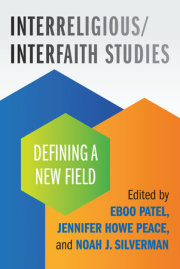
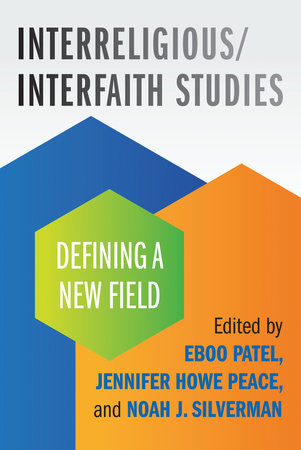
Interreligious/Interfaith Studies

Defining a New Field

Look inside
$28.00 US
Beacon Press
24 per carton
On sale Aug 21, 2018 | 9780807019979
Sales rights: World

See Additional Formats
A groundbreaking academic anthology that explores the emerging field of interreligious/interfaith studies

As it is now backed by an impressive number of courses, academic programs and centers, faculty positions, journals and publications, funding, and professional partnerships, there is no longer a question as to whether the interreligious/interfaith field exists. But its meaning and import are still being debated. How is this field distinct from, yet similar to, other fields, such as religious or theological studies? What are its signature pedagogies and methodologies? What are its motivations and key questions? In other words, what is the shape of interfaith and interreligious studies, and what is its distinct contribution? These questions are the driving force behind this anthology.
Introduction
Eboo Patel, Jennifer Howe Peace, Noah J. Silverman

I. CONSTRUCTIONS: MAPPING THE FIELD

(Inter)Religious Studies: Making a Home in the Secular Academy
Kate McCarthy

From the History of Religions to Interfaith Studies: A Theological Educator’s Exercise in Adaptation
Deanna Ferree Womack

Common Ground: Imagining Interfaith Studies as an Inclusive, Interdisciplinary Field
Elizabeth Kubek

Constructing Interreligious Studies: Thinking Critically About Interfaith Studies and the Interfaith Movement
Amy L. Allocco, Geoffrey D. Claussen, and Brian K. Pennington

Learning from the Field: Six Themes from Interfaith/Interreligious Studies Curricula
Kristi Del Vecchio and Noah J. Silverman

II. PEDAGOGY AND CLASSROOM PRACTICES

Transforming Introductory Courses in Religion: From World Religions to Interreligious Studies
Kevin Minister

Using the Case Method in Interfaith Studies Classrooms
Ellie Pierce

Teaching the “Most Beautiful of Stories”: Narrative Reflection as a Signature Pedagogy for Interfaith Studies
Matthew Maruggi and Martha E. Stortz

A Pedagogy of Listening: Teaching the Qur’an to Non-Muslims
Michael Birkel

Meeting Others, Seeing Myself: Experiential Pedagogies in Interfaith Studies
Wakoh Shannon Hickey and Margarita M. W. Suárez

III. CHALLENGES AND CHOICES

Six Issues That Complicate Interreligious Studies and Engagement
Rachel S. Mikva

The Promising Practice of Antiracist Approaches to Interfaith Studies
Jeannine Hill Fletcher

The Possibility of Solidarity: Evangelicals and the Field of Interfaith Studies
Marion H. Larson and Sara L. H. Shady

Water, Climate, Stars, and Place: Toward an Interspecies Interfaith Belonging
Lisa E. Dahill

IV. APPLICATIONS BEYOND THE CLASSROOM

The Value of Interreligious Education for Religious Leaders
Jennifer Howe Peace and Or N. Rose

From Prison Religion to Interfaith Leadership for Institutional Change
Barbara A. McGraw

Interfaith Studies and the Professions: Could Heightened Religious Understanding Seed Success within Secular Careers?
Mark E. Hanshaw with Usra Ghazi

Toward an Interreligious City: A Case Study
Heather Miller Rubens, Homayra Ziad, and Benjamin E. Sax

Acknowledgments
Editor Biographies
Contributor Biographies
Notes
Index

“This is a powerful and essential tool for incorporating interfaith studies into a variety of settings.”
Publishers Weekly

About

A groundbreaking academic anthology that explores the emerging field of interreligious/interfaith studies

As it is now backed by an impressive number of courses, academic programs and centers, faculty positions, journals and publications, funding, and professional partnerships, there is no longer a question as to whether the interreligious/interfaith field exists. But its meaning and import are still being debated. How is this field distinct from, yet similar to, other fields, such as religious or theological studies? What are its signature pedagogies and methodologies? What are its motivations and key questions? In other words, what is the shape of interfaith and interreligious studies, and what is its distinct contribution? These questions are the driving force behind this anthology.

Table of Contents

Introduction
Eboo Patel, Jennifer Howe Peace, Noah J. Silverman

I. CONSTRUCTIONS: MAPPING THE FIELD

(Inter)Religious Studies: Making a Home in the Secular Academy
Kate McCarthy

From the History of Religions to Interfaith Studies: A Theological Educator’s Exercise in Adaptation
Deanna Ferree Womack

Common Ground: Imagining Interfaith Studies as an Inclusive, Interdisciplinary Field
Elizabeth Kubek

Constructing Interreligious Studies: Thinking Critically About Interfaith Studies and the Interfaith Movement
Amy L. Allocco, Geoffrey D. Claussen, and Brian K. Pennington

Learning from the Field: Six Themes from Interfaith/Interreligious Studies Curricula
Kristi Del Vecchio and Noah J. Silverman

II. PEDAGOGY AND CLASSROOM PRACTICES

Transforming Introductory Courses in Religion: From World Religions to Interreligious Studies
Kevin Minister

Using the Case Method in Interfaith Studies Classrooms
Ellie Pierce

Teaching the “Most Beautiful of Stories”: Narrative Reflection as a Signature Pedagogy for Interfaith Studies
Matthew Maruggi and Martha E. Stortz

A Pedagogy of Listening: Teaching the Qur’an to Non-Muslims
Michael Birkel

Meeting Others, Seeing Myself: Experiential Pedagogies in Interfaith Studies
Wakoh Shannon Hickey and Margarita M. W. Suárez

III. CHALLENGES AND CHOICES

Six Issues That Complicate Interreligious Studies and Engagement
Rachel S. Mikva

The Promising Practice of Antiracist Approaches to Interfaith Studies
Jeannine Hill Fletcher

The Possibility of Solidarity: Evangelicals and the Field of Interfaith Studies
Marion H. Larson and Sara L. H. Shady

Water, Climate, Stars, and Place: Toward an Interspecies Interfaith Belonging
Lisa E. Dahill

IV. APPLICATIONS BEYOND THE CLASSROOM

The Value of Interreligious Education for Religious Leaders
Jennifer Howe Peace and Or N. Rose

From Prison Religion to Interfaith Leadership for Institutional Change
Barbara A. McGraw

Interfaith Studies and the Professions: Could Heightened Religious Understanding Seed Success within Secular Careers?
Mark E. Hanshaw with Usra Ghazi

Toward an Interreligious City: A Case Study
Heather Miller Rubens, Homayra Ziad, and Benjamin E. Sax

Acknowledgments
Editor Biographies
Contributor Biographies
Notes
Index

Praise

“This is a powerful and essential tool for incorporating interfaith studies into a variety of settings.”
Publishers Weekly