The Classic Cocktail Sessions

A Bartender's New-Fashioned Approach to the World's Most Beloved Recipes

Look inside
Hardcover (Paper-over-Board, no jacket)
$35.00 US
Clarkson Potter/Ten Speed | Clarkson Potter
14 per carton
On sale Jun 16, 2026 | 9780593798584
Sales rights: World

See Additional Formats
A convivial master class in classic cocktails from the James Beard Award-winning authors of The Bartender’s Manifesto

“A foundational reference for anyone driven to refine their craft while appreciating the timeless gravity of the classics.”—Alex Day, coauthor of Cocktail Codex and the Death & Co books and partner at Death & Co

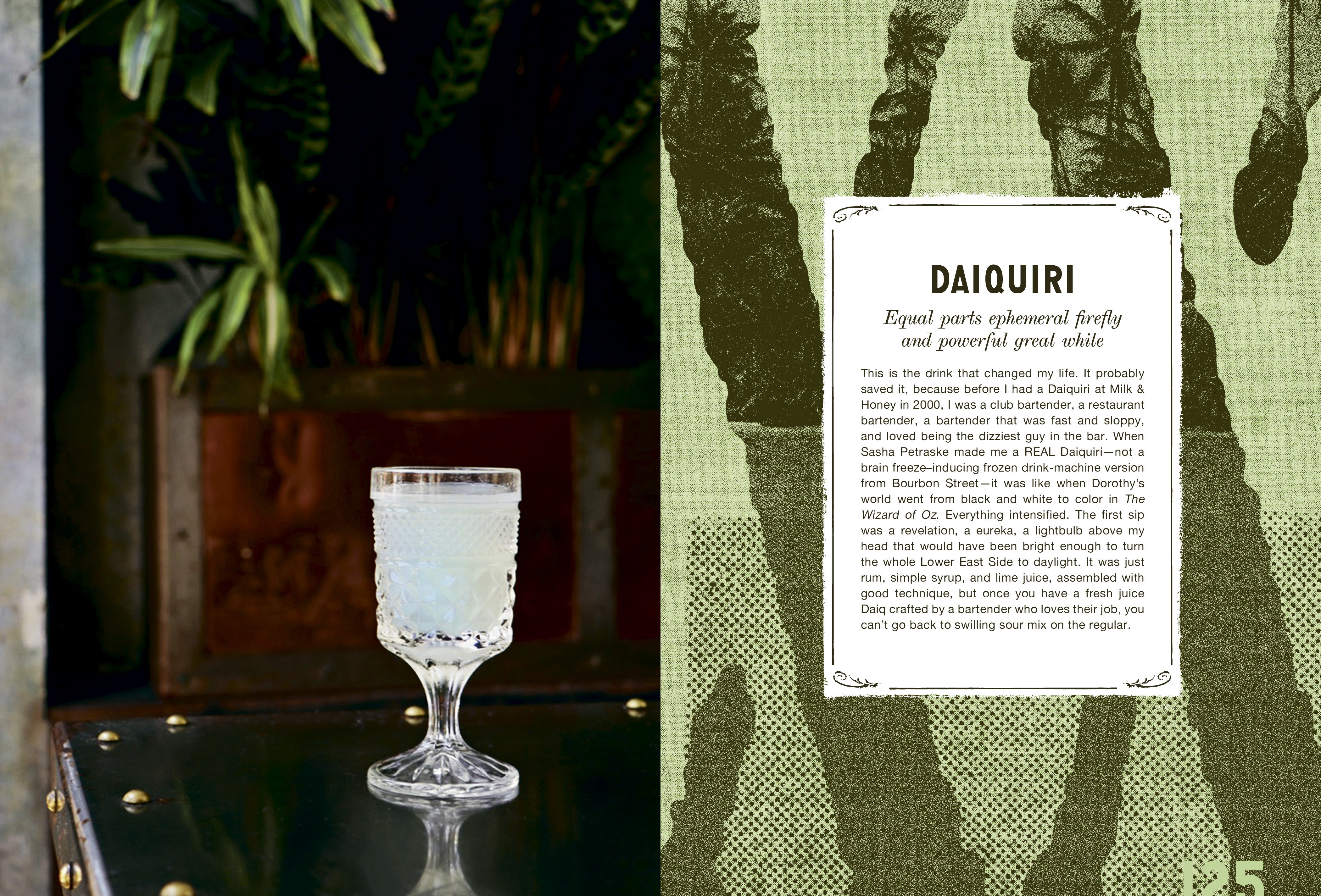
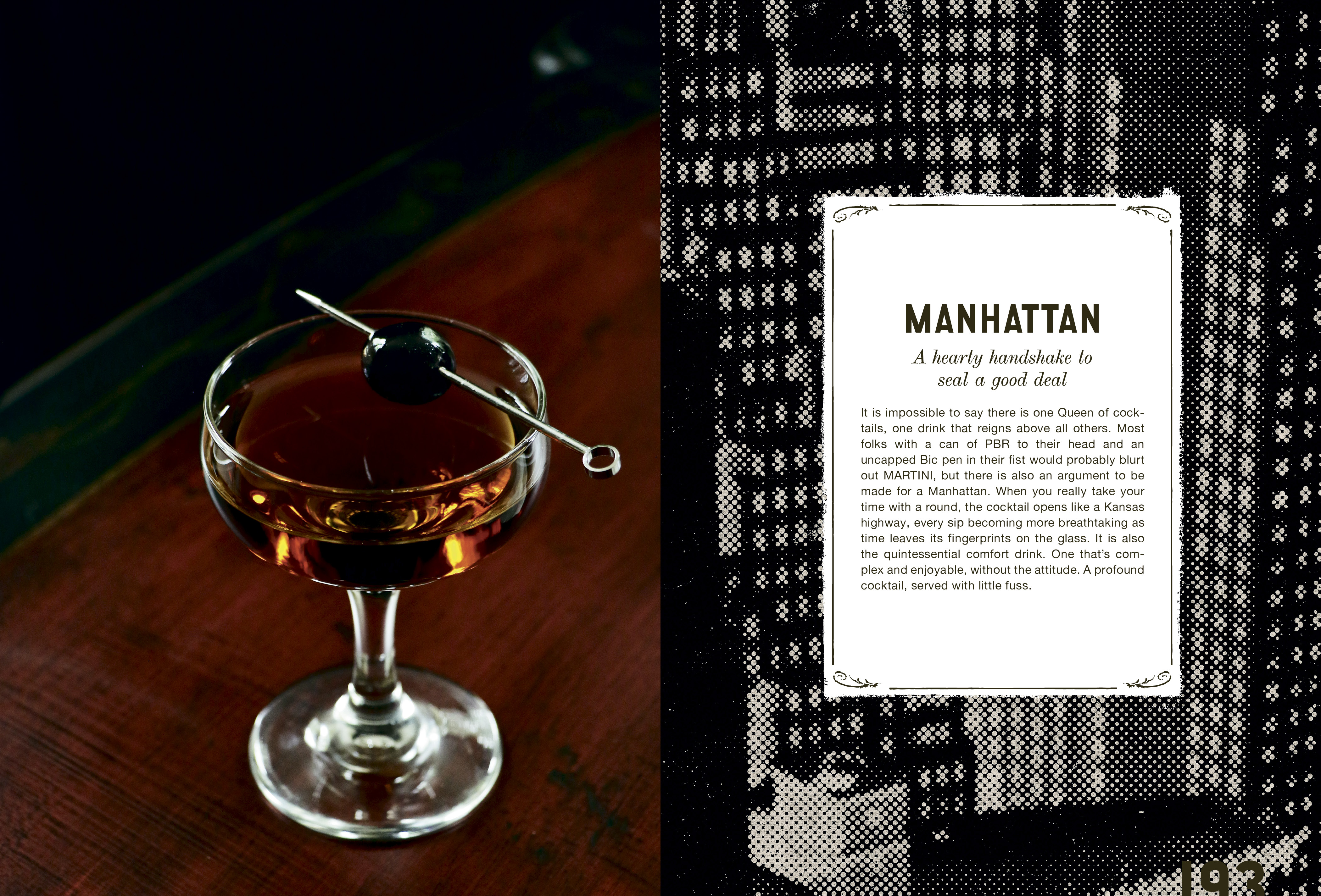
Classic cocktails are the ABCs of the craft of mixology. Drinks like the Daiquiri, Old Fashioned, and Negroni are timeless, universally beloved, and versatile. A perfect Margarita or Manhattan will never go out of style. When made with good technique and the occasional creative flourish, these drinks transform from everyday staples to supernovas of deliciousness. Anybody can learn to mix killer versions of these storied cocktails with aplomb, but as every bartender knows, getting really good at it takes a bit of practice. There are a few dozen ways to make a great Martini, and a million ways to mess one up.

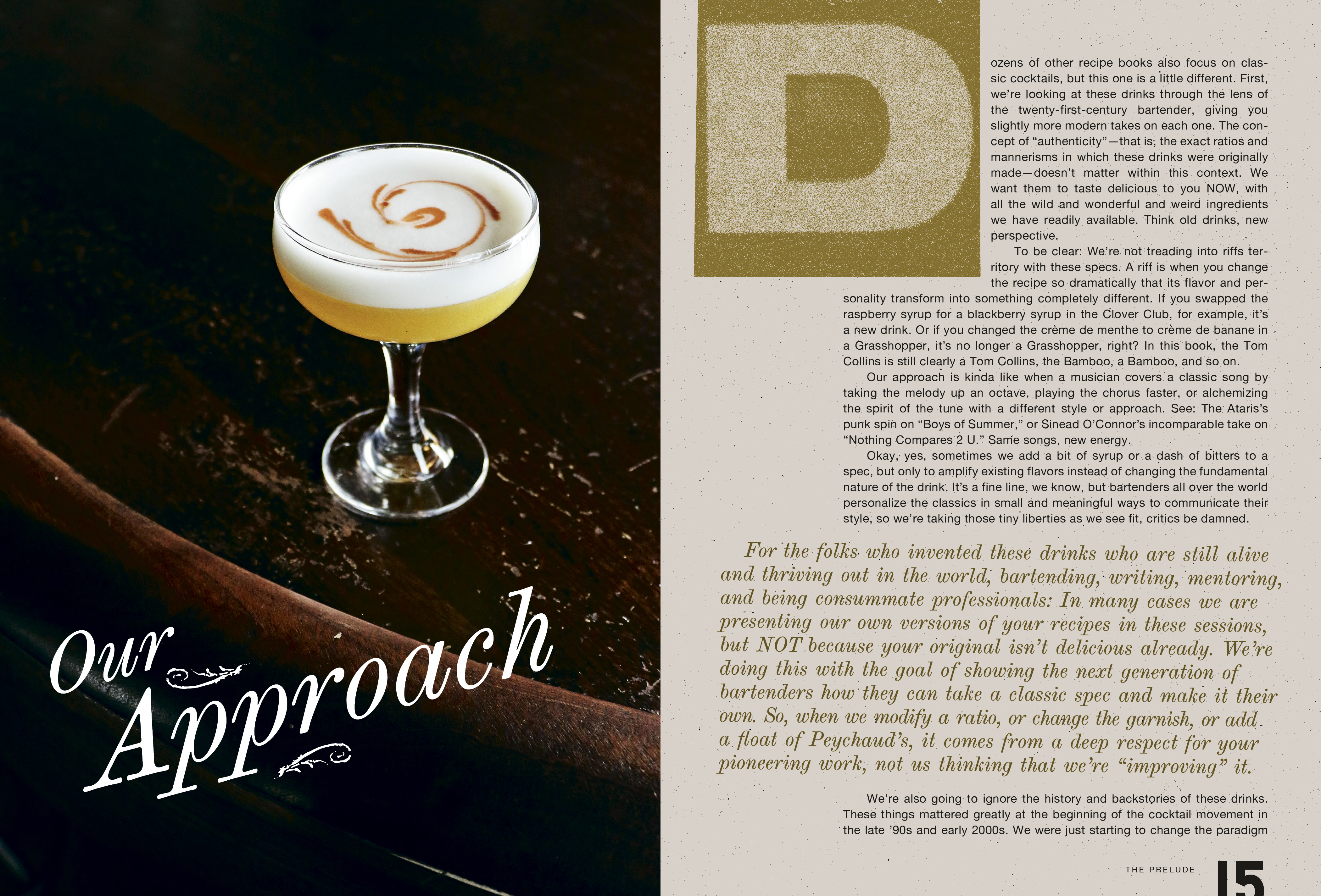
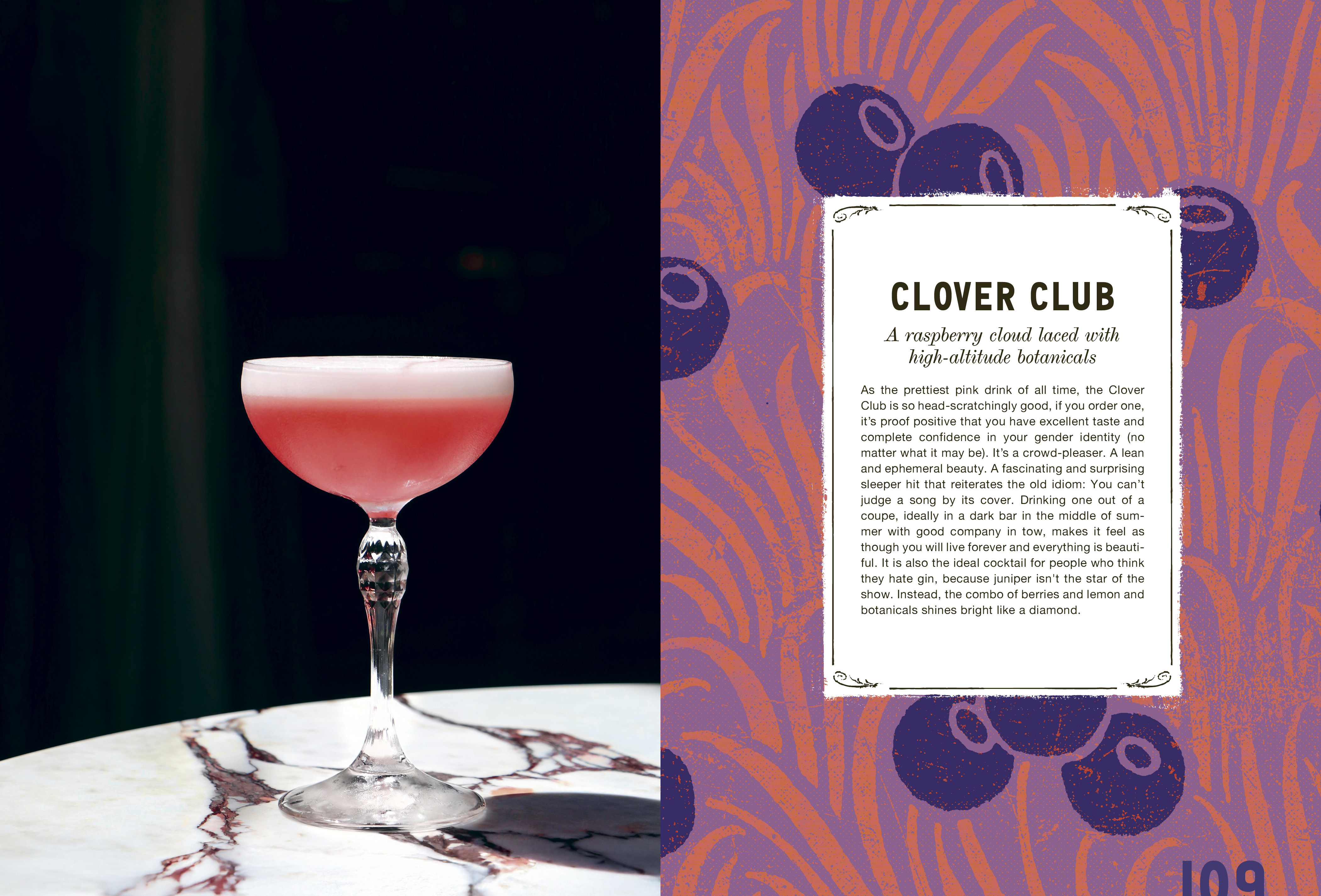
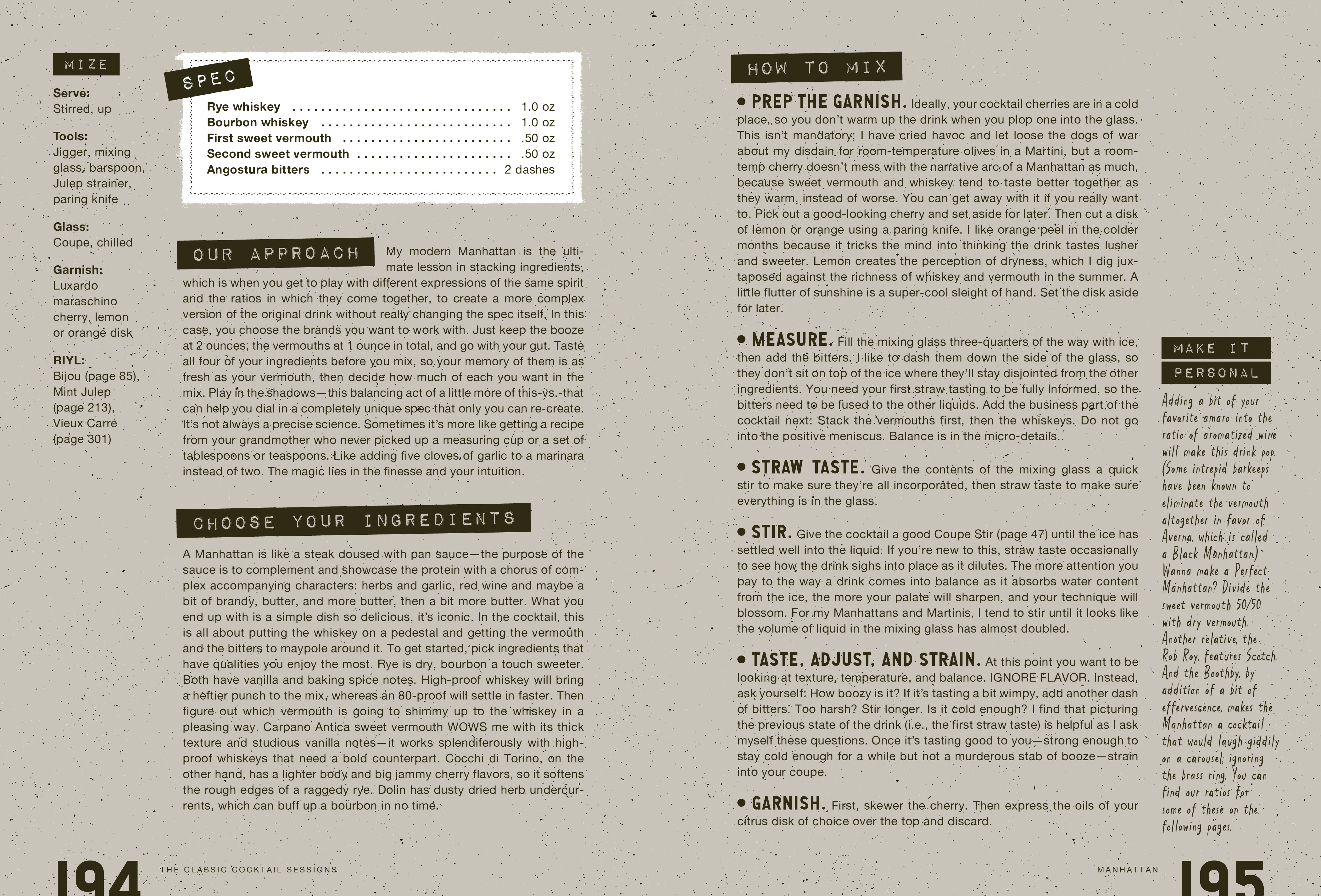
In The Classic Cocktail Sessions, you’ll learn how to make these classic recipes with confidence. Bartender Toby Maloney has honed his approach to these drinks for decades, and here, he and co-author Emma Janzen invite you to join them behind the bar for a “session” with each cocktail—a captivating, in-depth tutorial on how to create good balance, texture, aroma, and temperature, how different brands of ingredients impact the outcome of a drink, and how to personalize the classic formulas with subtle adjustments and twists. There is no one right way to make an Espresso Martini or a Mai Tai—but with this book’s guidance, you’ll learn how to make the version that speaks to you. With Maloney's signature wit and wisdom front and center, plus a dynamic design and Janzen's transportive photography, this is one of the most lively and compelling additions to the canon of classic cocktail books in years.
An Invitation

Hello! My name is Toby Maloney. I’ve been tending bar for over thirty years now. Recently, I’ve come to the confounding realization that I will never be as good at anything as I am at bartending.

Since 1992, I have done Malcolm Gladwell’s ten thousand hours of practice more than six times over. I have tried to estimate how many cocktails I have made during this time. It’s definitely more than 500k, but less than one million. Let’s call it an Olympic swimming pool’s worth. I’ve been behind the stick in New York, Chicago, Nashville, Philadelphia, Martha’s Vineyard, Vancouver, Tokyo, and on Thai beaches, plying my trade in dives, clubs, restaurants, and cocktail lounges.

Of the hundreds and hundreds of thousands of cocktails I have mixed, I have invented (or had a hand in inventing) well over a thousand originals. Some, like Juliet & Romeo and Eeyore’s Requiem, have been dubbed “modern classics” by contemporary cocktail scholars. That’s flattering, but those inventions aren’t what defines my craft. Instead, it is my proficiency with the classics that makes me the steadfast bartender I am today.

I love making Sidecars, Vieux Carrés, Crustas, and Cosmos. My Manhattan game is tight. I can stir an Old Fashioned to perfection with my eyes closed (along with five straw tastes), free-pour a Daiquiri, and add just the right amount of crème de violette for an Aviation rinse without thinking twice. I also tend to prefer drinking the classics: If given the choice to order the latest ten-ingredient feat of modern mixology or a Sazerac, nine times out of ten I’m going with the Sazerac. And I am not alone in this.

This is because the classics are the embodiment of “gimme the usual.” Comforting. Contemplative. Versatile and steadfast. These cocktails are supernovas, the brightest stars in the galaxy of cocktails that bartenders have invented in the last two centuries. Most have been around for ages because they are damn delicious. Through poorly conceived prohibitions and global pandemics—and even the rise of flavored seltzers—they endure.

Classic cocktails are for everyone, everywhere. For any occasion. Like a Little Black Dress, drinks like the Mint Julep and Moscow Mule are ever fashionable. A Margarita can be dressed up so it looks chic at an opera or dressed down for a punk rock show. A mink or a motorcycle jacket is just a delicate coupe or red Solo cup. The classics are also never out of place: A New York Sour tastes equally delicious in your pajamas on the couch as on a 64th-floor skyscraper veranda in the twinkling glow of the Manhattan skyline.

The classics are also of the utmost importance to the craft of bartending, because they are the building blocks of any good drink repertoire. When you take piano lessons, you learn Bach, Beethoven, and Mozart first, because those are the canonical classics that will make you a better piano player. With cocktails, once you know how to calibrate the right temperature, create good texture, tweak ratios for balance, and maximize good aromas in drinks like the Airmail, Hurricane, and Stinger, a world of mastery and improvisation opens up. I’m living proof of this. Without the Negroni, there would be no Eeyore. Without the Gimlet, no Juliet. This applies to many other drinks we consider “modern classics” today: You can’t have a Benton’s Old Fashioned without the Old Fashioned, or a Kingston Negroni without the Negroni.

My stance is that anybody, armed with a jigger of knowledge, a dash of technique, and a splash or two of common sense can make these cocktails well enough to wow your father-in-law or mollify your most evil nemesis. With practice and dedication, you, too, can get to the point where your Manhattan game is tight and you can stir an Old Fashioned to perfection with your eyes closed (along with five straw tastes), or free-pour a Daiquiri and add just the right amount of crème de violette for an Aviation rinse without thinking twice.

When you reach this precipice, slinging drinks becomes a pleasure instead of a chore. The bell curve of proficiency will become steeper, and more fun, and later you’ll be able to show off your voice by inventing original cocktail recipes. At this point, you will be able to saunter into any bar in the world and feel confident in choosing a menu drink you’ll enjoy, spotting riffs in the wild without hesitation. You will also acquire what people mysteriously call “good taste.” That is, the palate of a practitioner.

The journey toward mastering these recipes will be even more delicious with someone like me standing at your shoulder, because I’ve already made all the mistakes a bartender can make with these formidable recipes. I know them inside and out and can share all the tips, insights, and course corrections I’ve learned myself over the decades. And that’s why this book exists.

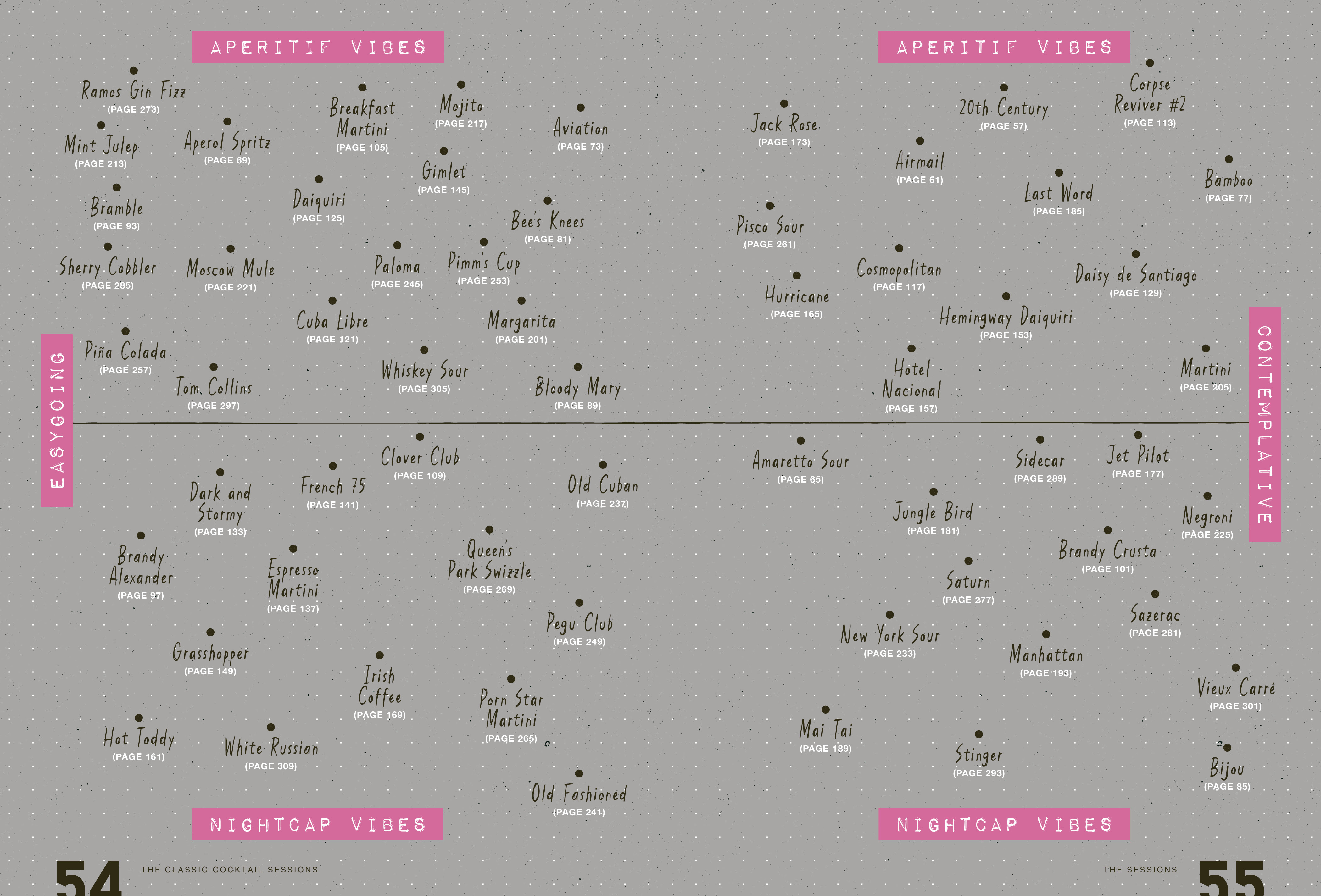
From the 20th Century to the White Russian, The Classic Cocktail Sessions is a deep dive into the inner workings of sixty-one of the world’s most beloved classic cocktails. Each drink gets its own “session,” where my coauthor, Emma Janzen, and I will explore what makes the cocktail unique and marvelous, accompanied by details of the nitty-gritty techniques and philosophies you’ll need to make the most delicious versions possible. The point isn’t simply to memorize specs and rehash histories but rather give insight into the way professional bartenders approach these foundational recipes, so the road toward elevating your skills from mediocre to marvelous becomes easier and more enjoyable.

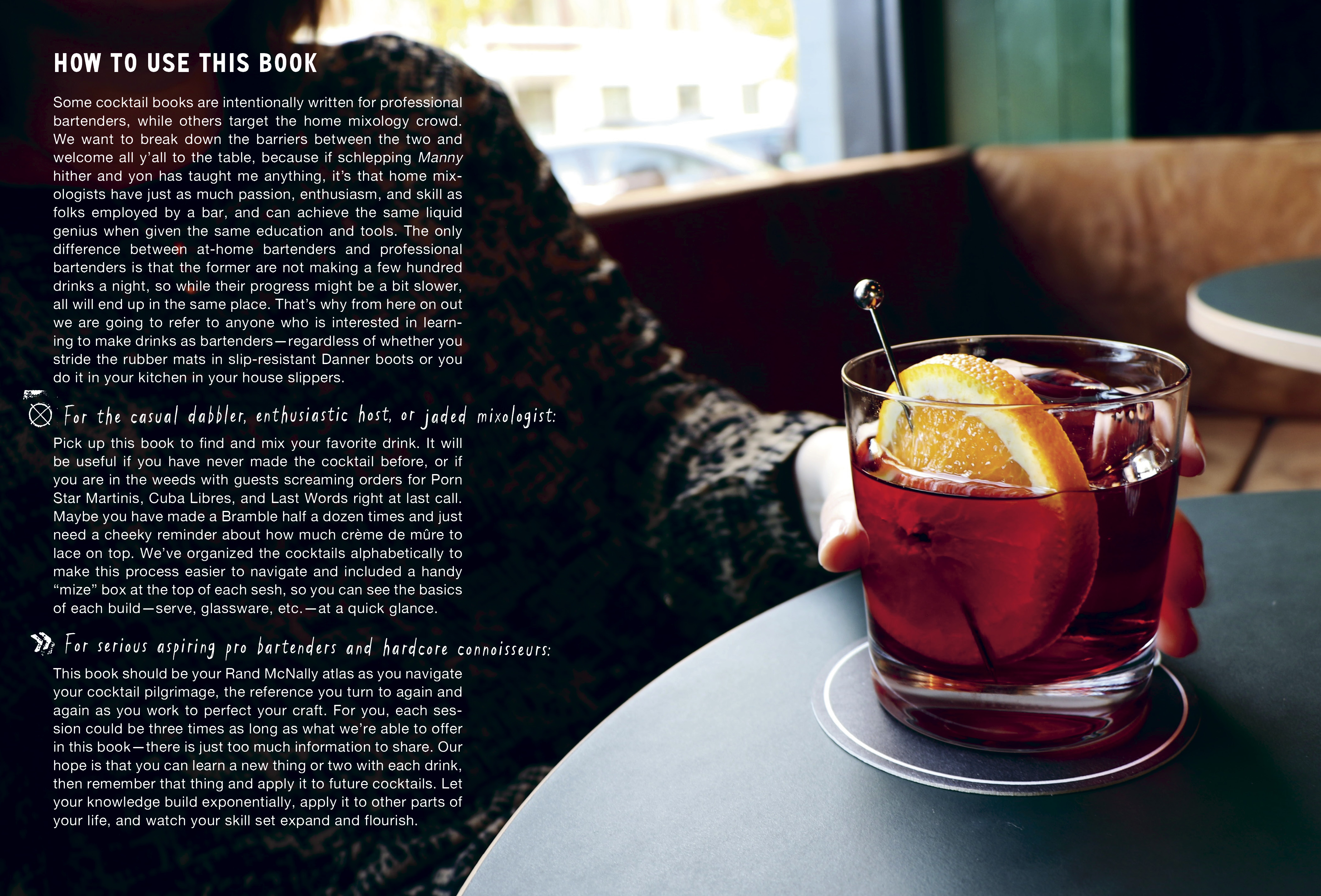
Think of this as the younger sibling to our first book, The Bartender’s Manifesto (which we lovingly refer to as Manny). It is not just a book of recipes, but rather a training manual for aspiring bartenders, where we’ll teach you a hell of a lot about the technique and theory behind each cocktail. Unlike Manny, which was like hardcore bartending school, the goal with Sessions is to pursue this knowledge with the vibes of a casual Sunday jam sesh: It’s midafternoon and the windows are open because it’s summertiiiiiime and the living is easy. The jukebox is playing punk rock covers of Johnny Cash’s greatest hits. There are no expectations of perfection; no judgment when you drop a shaker tin on the floor or spill green Chartreuse on the counter. We’re here to have a little fun and learn a few cool things along the way. Ideally, you will achieve proficiency with these recipes quickly, with more than your fair share of enjoyment.
additional book photo

About

A convivial master class in classic cocktails from the James Beard Award-winning authors of The Bartender’s Manifesto

“A foundational reference for anyone driven to refine their craft while appreciating the timeless gravity of the classics.”—Alex Day, coauthor of Cocktail Codex and the Death & Co books and partner at Death & Co

Classic cocktails are the ABCs of the craft of mixology. Drinks like the Daiquiri, Old Fashioned, and Negroni are timeless, universally beloved, and versatile. A perfect Margarita or Manhattan will never go out of style. When made with good technique and the occasional creative flourish, these drinks transform from everyday staples to supernovas of deliciousness. Anybody can learn to mix killer versions of these storied cocktails with aplomb, but as every bartender knows, getting really good at it takes a bit of practice. There are a few dozen ways to make a great Martini, and a million ways to mess one up.

In The Classic Cocktail Sessions, you’ll learn how to make these classic recipes with confidence. Bartender Toby Maloney has honed his approach to these drinks for decades, and here, he and co-author Emma Janzen invite you to join them behind the bar for a “session” with each cocktail—a captivating, in-depth tutorial on how to create good balance, texture, aroma, and temperature, how different brands of ingredients impact the outcome of a drink, and how to personalize the classic formulas with subtle adjustments and twists. There is no one right way to make an Espresso Martini or a Mai Tai—but with this book’s guidance, you’ll learn how to make the version that speaks to you. With Maloney's signature wit and wisdom front and center, plus a dynamic design and Janzen's transportive photography, this is one of the most lively and compelling additions to the canon of classic cocktail books in years.

Excerpt

An Invitation

Hello! My name is Toby Maloney. I’ve been tending bar for over thirty years now. Recently, I’ve come to the confounding realization that I will never be as good at anything as I am at bartending.

Since 1992, I have done Malcolm Gladwell’s ten thousand hours of practice more than six times over. I have tried to estimate how many cocktails I have made during this time. It’s definitely more than 500k, but less than one million. Let’s call it an Olympic swimming pool’s worth. I’ve been behind the stick in New York, Chicago, Nashville, Philadelphia, Martha’s Vineyard, Vancouver, Tokyo, and on Thai beaches, plying my trade in dives, clubs, restaurants, and cocktail lounges.

Of the hundreds and hundreds of thousands of cocktails I have mixed, I have invented (or had a hand in inventing) well over a thousand originals. Some, like Juliet & Romeo and Eeyore’s Requiem, have been dubbed “modern classics” by contemporary cocktail scholars. That’s flattering, but those inventions aren’t what defines my craft. Instead, it is my proficiency with the classics that makes me the steadfast bartender I am today.

I love making Sidecars, Vieux Carrés, Crustas, and Cosmos. My Manhattan game is tight. I can stir an Old Fashioned to perfection with my eyes closed (along with five straw tastes), free-pour a Daiquiri, and add just the right amount of crème de violette for an Aviation rinse without thinking twice. I also tend to prefer drinking the classics: If given the choice to order the latest ten-ingredient feat of modern mixology or a Sazerac, nine times out of ten I’m going with the Sazerac. And I am not alone in this.

This is because the classics are the embodiment of “gimme the usual.” Comforting. Contemplative. Versatile and steadfast. These cocktails are supernovas, the brightest stars in the galaxy of cocktails that bartenders have invented in the last two centuries. Most have been around for ages because they are damn delicious. Through poorly conceived prohibitions and global pandemics—and even the rise of flavored seltzers—they endure.

Classic cocktails are for everyone, everywhere. For any occasion. Like a Little Black Dress, drinks like the Mint Julep and Moscow Mule are ever fashionable. A Margarita can be dressed up so it looks chic at an opera or dressed down for a punk rock show. A mink or a motorcycle jacket is just a delicate coupe or red Solo cup. The classics are also never out of place: A New York Sour tastes equally delicious in your pajamas on the couch as on a 64th-floor skyscraper veranda in the twinkling glow of the Manhattan skyline.

The classics are also of the utmost importance to the craft of bartending, because they are the building blocks of any good drink repertoire. When you take piano lessons, you learn Bach, Beethoven, and Mozart first, because those are the canonical classics that will make you a better piano player. With cocktails, once you know how to calibrate the right temperature, create good texture, tweak ratios for balance, and maximize good aromas in drinks like the Airmail, Hurricane, and Stinger, a world of mastery and improvisation opens up. I’m living proof of this. Without the Negroni, there would be no Eeyore. Without the Gimlet, no Juliet. This applies to many other drinks we consider “modern classics” today: You can’t have a Benton’s Old Fashioned without the Old Fashioned, or a Kingston Negroni without the Negroni.

My stance is that anybody, armed with a jigger of knowledge, a dash of technique, and a splash or two of common sense can make these cocktails well enough to wow your father-in-law or mollify your most evil nemesis. With practice and dedication, you, too, can get to the point where your Manhattan game is tight and you can stir an Old Fashioned to perfection with your eyes closed (along with five straw tastes), or free-pour a Daiquiri and add just the right amount of crème de violette for an Aviation rinse without thinking twice.

When you reach this precipice, slinging drinks becomes a pleasure instead of a chore. The bell curve of proficiency will become steeper, and more fun, and later you’ll be able to show off your voice by inventing original cocktail recipes. At this point, you will be able to saunter into any bar in the world and feel confident in choosing a menu drink you’ll enjoy, spotting riffs in the wild without hesitation. You will also acquire what people mysteriously call “good taste.” That is, the palate of a practitioner.

The journey toward mastering these recipes will be even more delicious with someone like me standing at your shoulder, because I’ve already made all the mistakes a bartender can make with these formidable recipes. I know them inside and out and can share all the tips, insights, and course corrections I’ve learned myself over the decades. And that’s why this book exists.

From the 20th Century to the White Russian, The Classic Cocktail Sessions is a deep dive into the inner workings of sixty-one of the world’s most beloved classic cocktails. Each drink gets its own “session,” where my coauthor, Emma Janzen, and I will explore what makes the cocktail unique and marvelous, accompanied by details of the nitty-gritty techniques and philosophies you’ll need to make the most delicious versions possible. The point isn’t simply to memorize specs and rehash histories but rather give insight into the way professional bartenders approach these foundational recipes, so the road toward elevating your skills from mediocre to marvelous becomes easier and more enjoyable.

Think of this as the younger sibling to our first book, The Bartender’s Manifesto (which we lovingly refer to as Manny). It is not just a book of recipes, but rather a training manual for aspiring bartenders, where we’ll teach you a hell of a lot about the technique and theory behind each cocktail. Unlike Manny, which was like hardcore bartending school, the goal with Sessions is to pursue this knowledge with the vibes of a casual Sunday jam sesh: It’s midafternoon and the windows are open because it’s summertiiiiiime and the living is easy. The jukebox is playing punk rock covers of Johnny Cash’s greatest hits. There are no expectations of perfection; no judgment when you drop a shaker tin on the floor or spill green Chartreuse on the counter. We’re here to have a little fun and learn a few cool things along the way. Ideally, you will achieve proficiency with these recipes quickly, with more than your fair share of enjoyment.

Photos

additional book photo