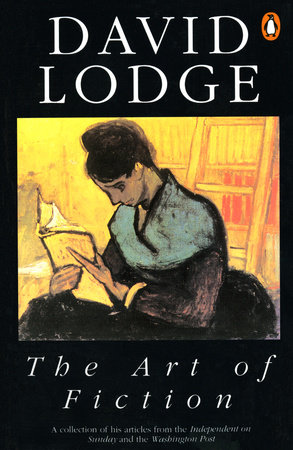
The Art of Fiction

Illustrated from Classic and Modern Texts

$16.00 US
Penguin Adult HC/TR | Penguin Books
48 per carton
On sale Jul 01, 1994 | 9780140174922
Sales rights: US, Opn Mkt (no CAN)

Explore the depth and diversity of British and American fiction with this collection from David Lodge

The articles that entertained and enlightened readers of The Independent and The Washington Post are now revised, expanded and collected together in book form in The Art of Fiction.

Passages from classic and modern fiction illustrate a range of topics, including the Intrusive Author, Suspense, the Epistolary Novel, Time-shift, Magical Realism and Symbolism. Drawing on writers as diverse as Henry James and Martin Amis, Jane Austen and Fay Weldon and Henry Fielding and James Joyce, Lodge makes accessible to the general reader the richness and variety of British and American fiction. Technical terms, such as Interior Monologue, Metafiction, Intertextuality and the Unreliable Narrator, are clearly explained and demonstrated.

Bringing to criticism the verve and humor of his own novels, Lodge provides essential reading for students of literature, aspirant writers, and anyone who wishes to understand how literature works.
The Art of Fiction - David Lodge Preface
1. Beginning (Jane Austen, Ford Madox Ford)
2. The Intrusive Author (George Eliot, E. M. Forster)
3. Suspense (Thomas Hardy)
4. Teenage Skaz (J.D. Salinger)
5. The Epistolary Novel (Michael Frayn)
6. Point of View (Henry James)
7. Mystery (Rudyard Kipling)
8. Names (David Lodge, Paul Auster)
9. The Stream of Consciousness (Virginia Woolf)
10. Interior Monologue (James Joyce)
11. Defamiliarization (Charlotte Brontë
12. The Sense of Place (Martin Amis)
13. Lists (F. Scott Fitzgerald)
14. Introducing a Character (Christopher Isherwood)
15. Surprise (William Makepeace Thackeray)
16. Time-Shift (Muriel Spark)
17. The Reader in the Text (Laurence Sterne)
18. Weather (Jane Austen, Charles Dickens)
19. Repetition (Ernest Hemingway)
20. Fancy Prose (Vladimir Nabokov)
21. Intertextuality (Joseph Conrad)
22. The Experimental Novel (Henry Green)
23. The Comic Novel (Kingsley Amis)
24. Magic Realism (Milan Kundera)
25. Staying on the Surface (Malcolm Bradbury)
26. Showing and Telling (Henry Fielding)
27. Telling in Different Voices (Fay Weldon)
28. A Sense of the Past (John Fowles)
29. Imagining the Future (George Orwell)
30. Symbolism (D. H. Lawrence)
31. Allegory (Samuel Butler)
32. Epiphany (John Updike)
33. Coincidence (Henry James)
34. The Unreliable Narrator (Kazuo Ishiguro)
35. The Exotic (Graham Greene)
36. Chapters etc. (Tobias Smollett, Laurence Sterne, Sir Walter Scott, George Eliot, James Joyce)
37. The Telephone (Evelyn Waugh)
38. Surrealism (Leonora Carrington)
39. Irony (Arnold Bennett)
40. Motivation (George Eliot)
41. Duration (Donald Barthelme)
42. Implication (William Cooper)
43. The Title (George Gissing)
44. Ideas (Anthony Burgess)
45. The Non-Fiction Novel (Thomas Carlyle)
46. Metafiction (John Barth)
47. The Uncanny (Edgar Allan Poe)
48. Narrative Structure (Leonard Michaels)
49. Aporia (Samuel Beckett)
50. Ending (Jane Austen, William Golding)
Bibliography of primary sources
Index of Names

About

Explore the depth and diversity of British and American fiction with this collection from David Lodge

The articles that entertained and enlightened readers of The Independent and The Washington Post are now revised, expanded and collected together in book form in The Art of Fiction.

Passages from classic and modern fiction illustrate a range of topics, including the Intrusive Author, Suspense, the Epistolary Novel, Time-shift, Magical Realism and Symbolism. Drawing on writers as diverse as Henry James and Martin Amis, Jane Austen and Fay Weldon and Henry Fielding and James Joyce, Lodge makes accessible to the general reader the richness and variety of British and American fiction. Technical terms, such as Interior Monologue, Metafiction, Intertextuality and the Unreliable Narrator, are clearly explained and demonstrated.

Bringing to criticism the verve and humor of his own novels, Lodge provides essential reading for students of literature, aspirant writers, and anyone who wishes to understand how literature works.

Table of Contents

The Art of Fiction - David Lodge Preface
1. Beginning (Jane Austen, Ford Madox Ford)
2. The Intrusive Author (George Eliot, E. M. Forster)
3. Suspense (Thomas Hardy)
4. Teenage Skaz (J.D. Salinger)
5. The Epistolary Novel (Michael Frayn)
6. Point of View (Henry James)
7. Mystery (Rudyard Kipling)
8. Names (David Lodge, Paul Auster)
9. The Stream of Consciousness (Virginia Woolf)
10. Interior Monologue (James Joyce)
11. Defamiliarization (Charlotte Brontë
12. The Sense of Place (Martin Amis)
13. Lists (F. Scott Fitzgerald)
14. Introducing a Character (Christopher Isherwood)
15. Surprise (William Makepeace Thackeray)
16. Time-Shift (Muriel Spark)
17. The Reader in the Text (Laurence Sterne)
18. Weather (Jane Austen, Charles Dickens)
19. Repetition (Ernest Hemingway)
20. Fancy Prose (Vladimir Nabokov)
21. Intertextuality (Joseph Conrad)
22. The Experimental Novel (Henry Green)
23. The Comic Novel (Kingsley Amis)
24. Magic Realism (Milan Kundera)
25. Staying on the Surface (Malcolm Bradbury)
26. Showing and Telling (Henry Fielding)
27. Telling in Different Voices (Fay Weldon)
28. A Sense of the Past (John Fowles)
29. Imagining the Future (George Orwell)
30. Symbolism (D. H. Lawrence)
31. Allegory (Samuel Butler)
32. Epiphany (John Updike)
33. Coincidence (Henry James)
34. The Unreliable Narrator (Kazuo Ishiguro)
35. The Exotic (Graham Greene)
36. Chapters etc. (Tobias Smollett, Laurence Sterne, Sir Walter Scott, George Eliot, James Joyce)
37. The Telephone (Evelyn Waugh)
38. Surrealism (Leonora Carrington)
39. Irony (Arnold Bennett)
40. Motivation (George Eliot)
41. Duration (Donald Barthelme)
42. Implication (William Cooper)
43. The Title (George Gissing)
44. Ideas (Anthony Burgess)
45. The Non-Fiction Novel (Thomas Carlyle)
46. Metafiction (John Barth)
47. The Uncanny (Edgar Allan Poe)
48. Narrative Structure (Leonard Michaels)
49. Aporia (Samuel Beckett)
50. Ending (Jane Austen, William Golding)
Bibliography of primary sources
Index of Names